
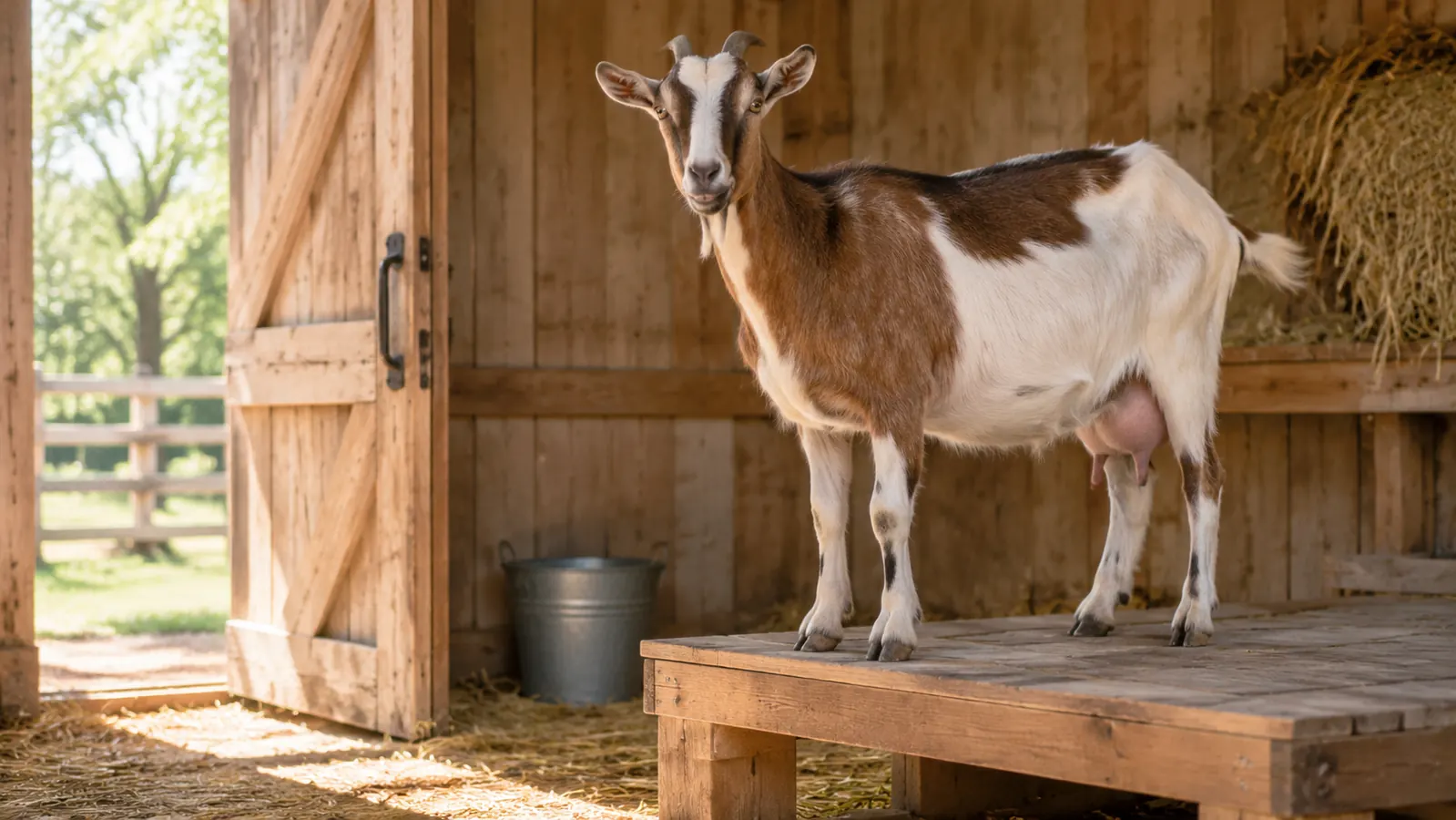
I bought the Hongmei Outdoors goat hoof trimmers in April 2023 because I was mad at a pair of garden snips. That is the whole origin story. I had three Nigerian Dwarf does to trim every six to eight weeks, and the snips were crushing the hoof wall instead of cutting it clean. I wanted a plain pair of shears that would cut and then go back in the drawer. Two years and a lot of hooves later, I have a fair list of what these trimmers do well and a shorter list of what they do not. This is not a love letter. It is what I would tell a neighbor who asked me straight out whether these are worth putting in the barn toolbox.
The short answer is yes, with conditions. The Hongmei Outdoors trimmers are light, they cut like bypass shears should, and they have held up to routine use on a small herd. They are not the tool for a goat that has gone half a year without a trim, and they are not a substitute for a vet when something is wrong. If you keep a few does and trim on a stand, they make sense. If you keep a large herd of big goats with hard hooves, you will want more tool than this.
The Quick Verdict
A plain, sharp, light pair of bypass trimmers that handles routine goat hooves well. The spring and lock take some fussing, and very overgrown hooves need a different tool or a vet.
Amazon Check Today's Price →If your goats are due for a trim this week, start here
The Hongmei Outdoors trimmers are the pair I reach for on the milk stand. Check today's price and current availability on Amazon.
Amazon Check Today's Price on Amazon →How I Have Actually Used These Trimmers
I trim Hazel, Pepper and Clover every six to eight weeks. Hazel is six, Pepper is four and Clover is three. Hazel and Pepper are in milk, so their hooves grow and wear differently than Clover's. Clover is younger and squirmier, which matters because a trimmer is only as good as the hands holding it. I do all three on the milk stand in the goat shed. Ron holds a head if one of them is feeling dramatic. Most of the time I can do it alone with the stand and a little patience.
One Saturday in June I did all three in about twenty-five minutes, and that includes the time it took to coax Clover onto the stand with a handful of feed. Hazel goes first because she is the steadiest. Pepper second, because she has the widest hooves and I want my hand fresh. Clover last, because she is the one who will test whether the lock is on. By the third goat my hand is still steady, which was not true with the heavier snips I borrowed once from a neighbor.
The size is right for my goats. The trimmers are listed at 8 inches long and 2 inches wide, with a 2.2 inch blade and a 1 centimeter cutting width. On a Nigerian Dwarf hoof, that 1 centimeter cut lets me take thin slices instead of big bites. That is what I want. A thick slice is how you end up with a sore goat and a guilty feeling. The 8 inch length fits my hand and reaches the hoof without my knuckles banging into the stand.
I rinse and dry them after every use and keep the lock on in the drawer. Carbon steel will spot if you put it away wet. That is not a defect, it is steel. I keep a rag in the barn and wipe them down before they go back in the tin. The TPR handle has enough grip when my hands are sweaty, which they are by the third goat in July. The ambidextrous handle means Ron can use them too, though he is left-handed and I am right-handed, and neither of us has a complaint about the grip.
What Nobody Tells You About the First Few Trims
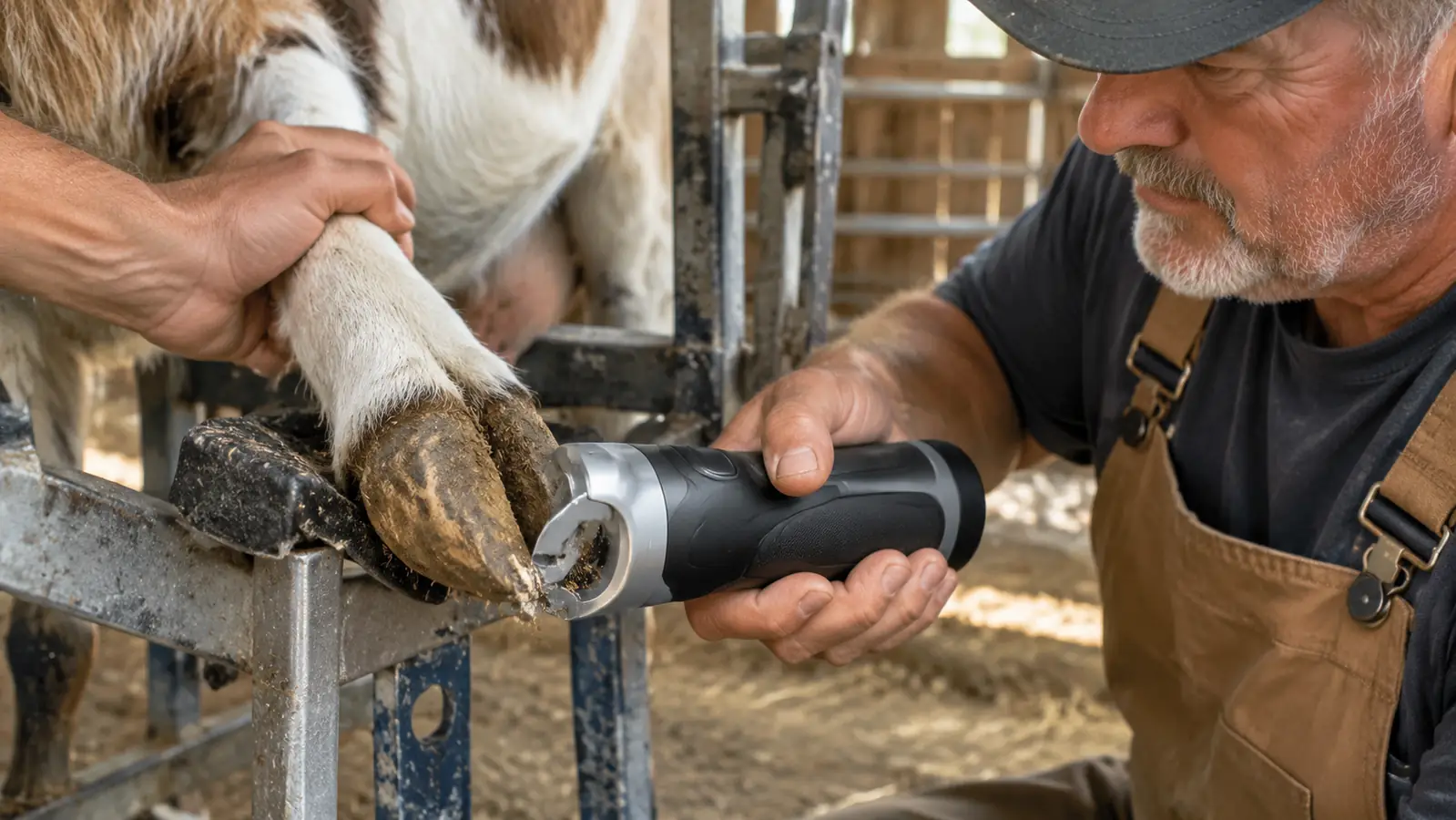
The first trim with a new pair is not about speed. It is about learning the spring. These are spring loaded, and the spring is stronger than the old garden snips I was used to. That is good for cutting, but it means you have to control the handles instead of letting them flop open. The switch lock is there for a reason. Use it between goats, and use it when you set the trimmers down on the stand.
The first session was in the shed on a Sunday afternoon in April 2023, with Ron holding Hazel's head and me reading the label on the box twice before I started. I took maybe a quarter inch off each hoof and quit. It took me forty minutes to do what now takes eight. That is not the trimmers being slow. That is a person learning where the sole ends and the wall begins, and no tool shortens that part.
The lock is stiff when the tool is new. It loosened up after a few sessions, but in the beginning I needed two hands to work it. That is annoying when you are holding a goat with one hand and reaching for the lock with the other. It is not a deal breaker. It is the kind of thing you learn to do before you grab the goat instead of after.
The round point matters more than I expected. A pointed tip on a nervous goat is a bad idea, and this one has a round point. I also like the wrist strap. I have dropped them once on the concrete and the strap caught them before they hit. That is a small feature until it saves you a bent blade.
One thing nobody tells a new goat owner is that the tool does not teach you how much hoof to take. I nicked Pepper too deep in 2023. It was a little blood, and I stopped it with pressure and blood-stop powder, but I called the vet because I am cautious. Since then I take thinner slices and check the sole before I cut. That was my hands, not the trimmers. Still, it is the reason I tell people to have someone show them the first time.
The Parts That Genuinely Work
The bypass blade is the main reason I keep using these. It cuts like scissors instead of crushing the hoof wall. The old snips left a ragged edge. These leave a cleaner edge, and a cleaner edge means less cleanup with the rasp. The blade is carbon steel, and it has held up to three goats every six to eight weeks. I have touched it up once with a fine file, and it still cuts cleanly.
I keep a fine file in the tin and touch the blade up maybe twice a year, usually in late fall before the winter trims when the hooves get harder and drier. I do not take much off. Four or five light passes on each side, then I wipe the filings off with the rag and close the lock. The Hongmei Outdoors blade has never needed more than that, and it still slices a thin slice of wall cleanly rather than tearing it.
The spring loaded action is strong, and the spare spring is a real help. Small springs have a way of disappearing in barn gravel. I have not lost the original yet, but I know where the spare is, and that is more than I can say for most small parts in my shed. The switch lock is also a good feature once you get used to it. It keeps the blades closed in the drawer and keeps them from opening when you grab the handles.
The weight is another thing I notice. At 0.15 kg, these are light enough that my hand does not cramp after three goats. I have used heavier trimmers that felt like holding a pair of pliers by the third hoof. These do not feel like that. The 2.2 inch blade is long enough to make a clean cut without being so long that it gets in the way on a small hoof.
The handle is curved, and that curve sits in my palm without forcing my wrist into a weird angle. The TPR handle does not get slick when it is wet. The ambidextrous shape means I can hand them to Ron without a lecture about which hand goes where. For a small herd and a milk stand, that is most of what I need.
The best thing I can say about the Hongmei Outdoors trimmers is that I stopped thinking about them halfway through the second goat. They cut, they lock, they go back in the drawer.
The Parts That Annoy Me
The spring can jump out of its seat if you open the handles too wide. It has happened to me twice. Both times I found the spring on the stand, seated it again and went on. If you are rough with the handles or you let them snap open, you will probably have the same experience. The spare spring is there for a reason, and now I understand why.
The second time it happened was in February, in the cold, when my hands were stiff and I opened the handles wider than I meant to. The spring landed in the straw and I found it by feel. Since then I open the handles only as far as the hoof needs, and it has not happened again in more than a year of trims.
The switch lock is still not my favorite thing. It is better than it was when new, but it is not a one-hand operation for me. If I am holding a goat's head or a hoof, I have to set the trimmers down to lock them. That is a small thing, but small things add up when you are working alone.
The 1 centimeter cutting width is right for routine trims and wrong for neglected hooves. If a goat has gone months without a trim and the hoof wall is curled, you will be taking a lot of thin slices. That is not the tool's fault, but it is a limit. For a rescue goat or a goat that has been running on soft ground with no trimming, I would call the vet or a farrier before I reached for these.
The handles are on the small side for very large hands. Ron has bigger hands than I do, and he says they are fine for a few minutes but not for an hour. Since we only use them for a few minutes at a time, that is not a problem for us. If you have very large hands and a lot of goats, hold that thought before you buy.
What These Trimmers Are Not
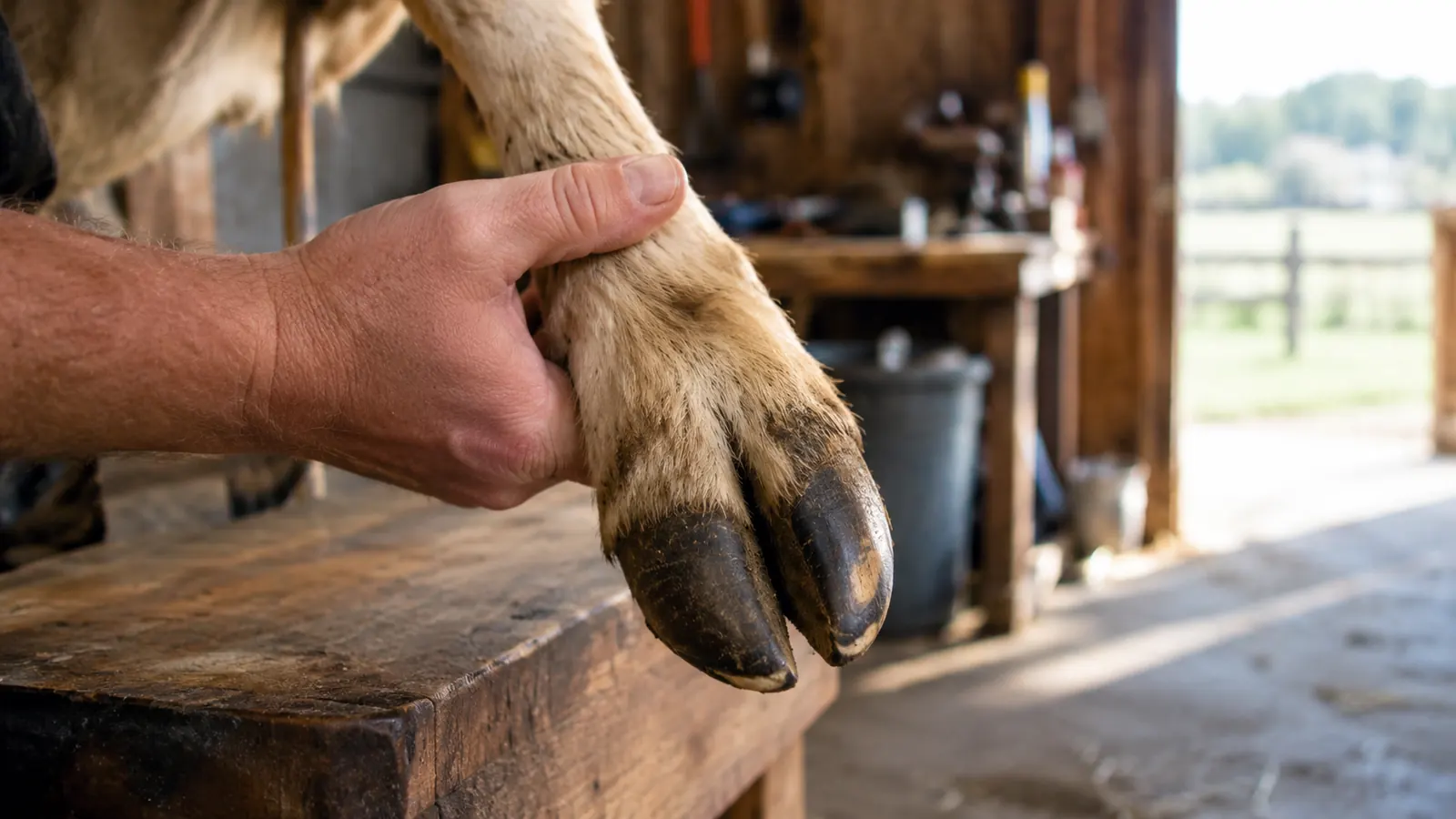
These are not hoof nippers. They do not have the leverage for thick, hard hoof wall on a big goat. They are for routine trimming on small to medium hooves, and they do that job well. If you are trimming a large breed with hard hooves, you will want a proper pair of nippers and probably a hoof knife. These are not that tool.
These are not a substitute for a vet. If a hoof is cracked, bleeding, infected or the goat is lame, call the vet. I am not a veterinarian, and I do not play one in the barn. A trimmer is for maintenance, not for diagnosis. The same goes for a goat that is suddenly limping. Put the tool down and make the call.
The listing mentions gardening and floral pruning. I have not used them for that and I would not. Once a tool goes into the barn and touches hooves, it stays in the barn. I have garden snips for the garden. I have these for the goats. Keeping that line clear is a good habit.
The listing also mentions sheep, alpaca, lamb and pig hooves. I only have goats, so I cannot speak to those. I can say that the size and the bypass cut make sense for small ruminants. I cannot say how they do on a pig hoof because I have never trimmed one. I would rather tell you that than pretend.
What I Liked
- Bypass blade cuts cleanly instead of crushing the hoof wall
- Light at 0.15 kg, easy to hold through three goats
- Spring loaded with a spare spring included
- Round point is safer around nervous animals
- Ambidextrous handle, so a left-handed helper can use it
Where It Falls Short
- Spring can jump out of its seat if you open the handles wide
- Switch lock is stiff when new and takes two hands
- 1 centimeter cutting width means many passes on overgrown hooves
- Carbon steel will spot if stored wet
- Handle is small for very large hands
Who This Is For
This is for the keeper with a small herd of goats, maybe three to eight, who trims on a stand every six to eight weeks. It is for Nigerian Dwarfs, Pygmies and other small goats with hooves that have not been neglected. It is for someone who wants a light pair of shears that will cut cleanly and not wear out their hand.
It is also for someone who will take care of the tool. Rinse it, dry it, lock it, put it where it belongs. Carbon steel asks for that much. If you do that, these trimmers will last through a lot of routine trims. If you leave them on the stand wet, they will spot and you will blame the tool. I know because I have done it with other steel tools.
It is a good first pair for a new goat owner who has someone to show them how much hoof to take. The tool is simple. The technique is not. Buy the trimmers, then buy a lesson from a vet, a farrier or an experienced goat keeper. That combination will do more for your goats than any single tool.
Who Should Skip It
Skip these if you have a large herd of big goats with hard hooves. You need nippers with more leverage, and you need a tool that can take a thicker slice. These will do the job, but they will do it slowly and your hand will feel it. Get the right tool for the size of the job.
Skip these if you have a goat with overgrown, curled or cracked hooves. That is not a routine trim. That is a vet or farrier call. The 1 centimeter cutting width is not meant for months of growth. Do not try to fix a neglected hoof with a pair of shears because you saw it done on a video.
Skip these if you want one tool that does everything. They trim hooves. They do not nip, they do not rasp and they do not replace a hoof knife. If you want a complete hoof trimming kit, buy the pieces separately. These are one piece of the kit, and they are a good piece, but they are not the whole kit.
The pair I would buy again for a small goat herd
If you keep a few does and trim on a stand, these are simple, light and sharp where it counts. Check current price and availability on Amazon.
Amazon Check Today's Price on Amazon →